The Romani Family

A Maritime Legacy

1876 — 2004 | Four Generations on the Sea

Chapter One

From Italy to California

The journey that started it all
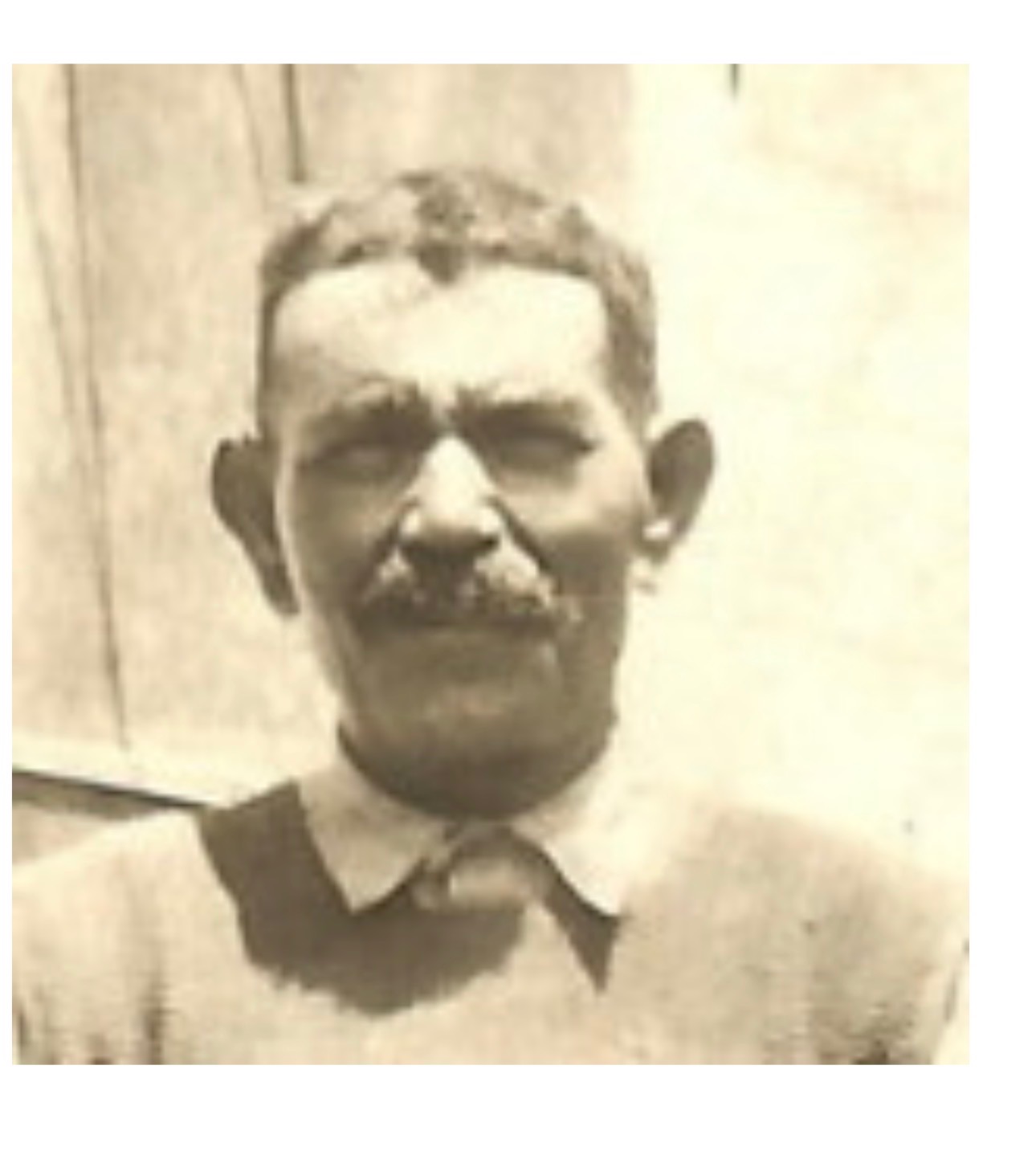
Luigi Romani

Luigi "Louis" Romani

1876 — 1958 | The Patriarch

Born in Paliano, a medieval hilltop town in the province of Frosinone, Lazio, approximately 40 miles southeast of Rome. At just fourteen years old, Luigi left Italy for America in 1890, part of the massive wave of Italian immigration.
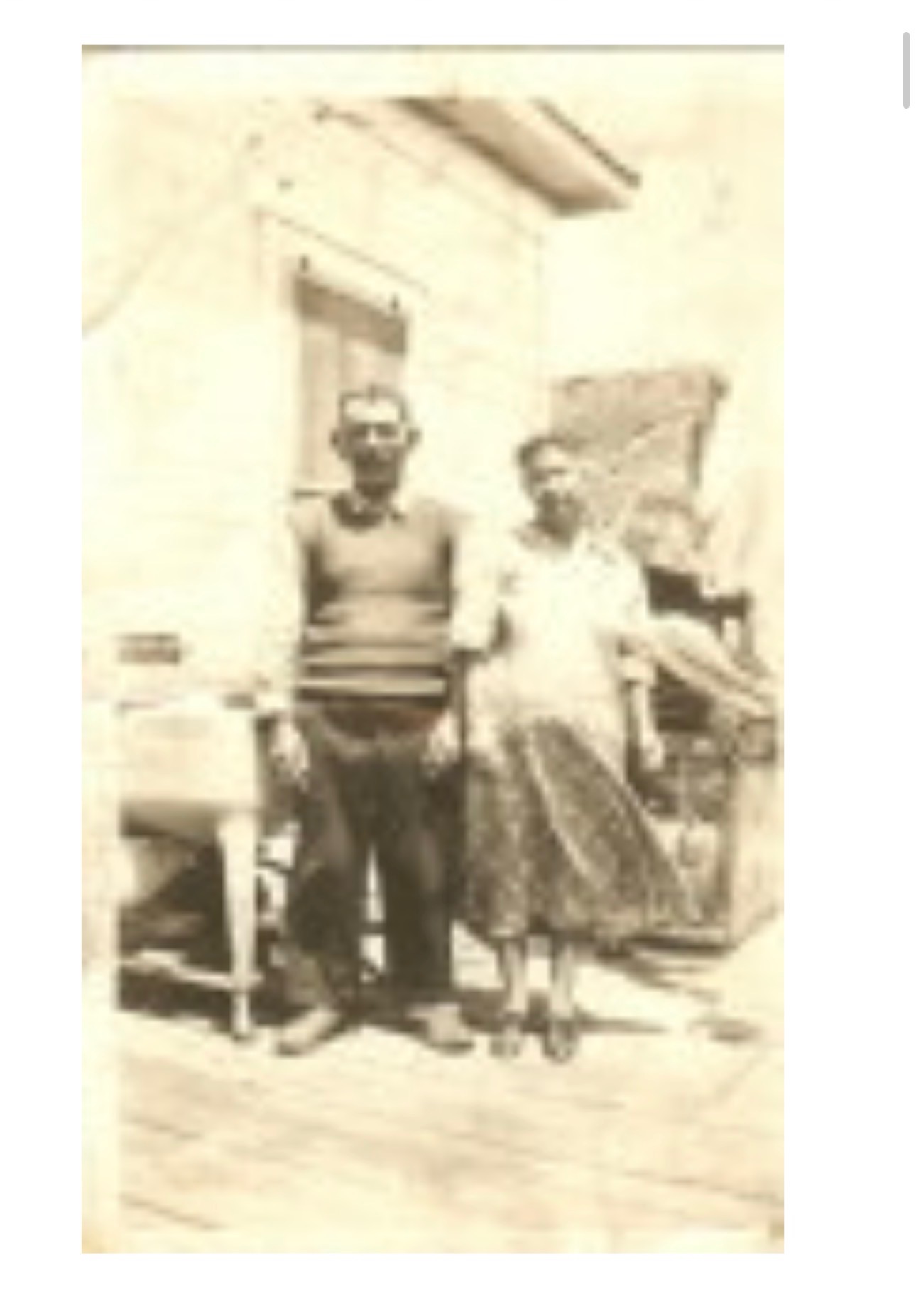
Luigi and Caterina Romani
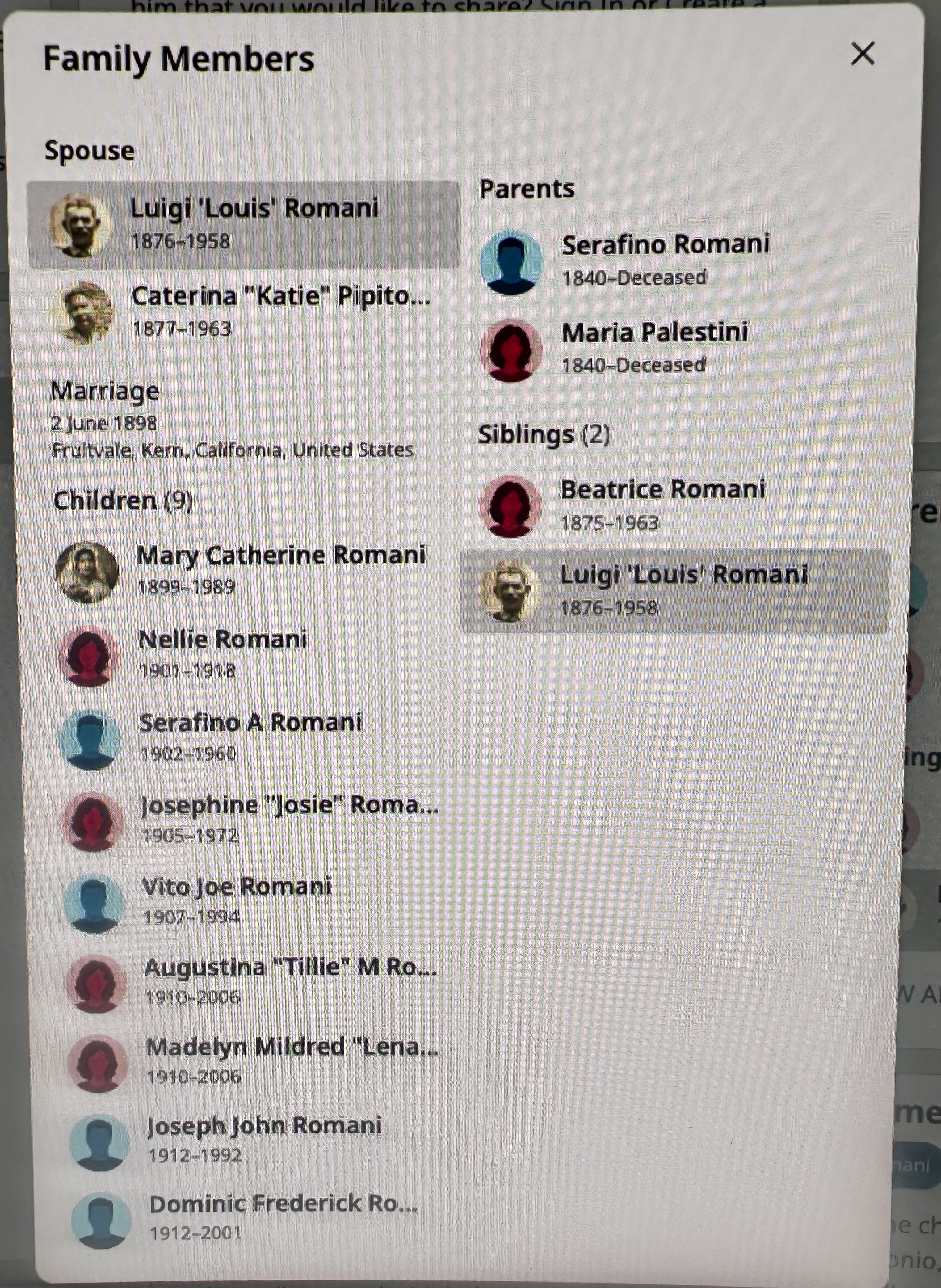
Luigi and Caterina "Katie" Romani — Married June 2, 1898 in Fruitvale, California. They would have nine children together.
1876

Luigi Romani born in Paliano, Frosinone, Lazio, Italy to Serafino Romani and Maria Palestini

1890

At age 14, Luigi emigrates to California — choosing the West Coast over the crowded eastern cities

1898

June 2 — Luigi marries Caterina "Katie" Pipitone in Fruitvale, California. They would have nine children.

1900s

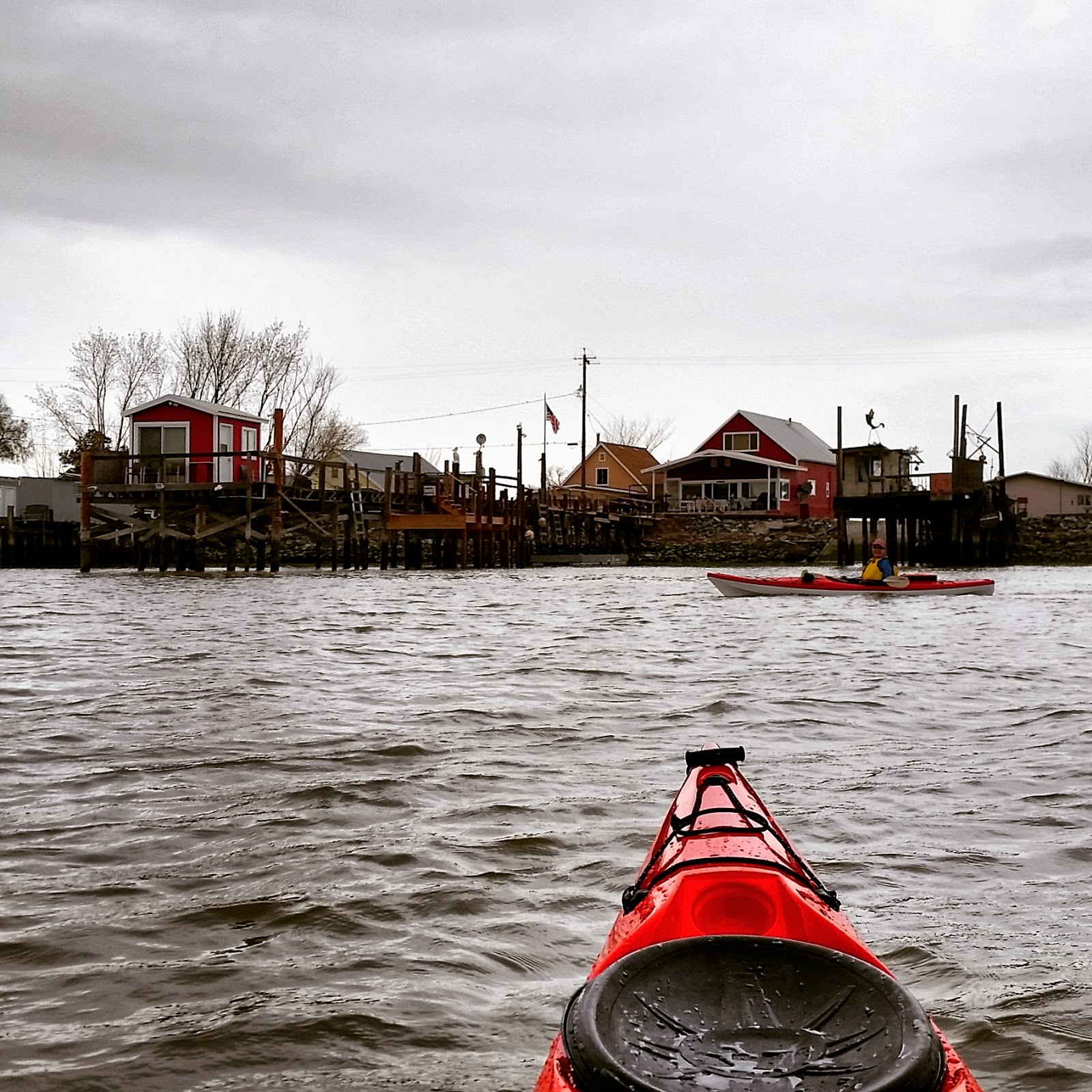
The family settles in Collinsville, Solano County — a thriving Italian fishing village in the Sacramento-San Joaquin Delta dubbed "Little Venice"
Collinsville on the water
Collinsville, California today — The historic fishing village on the Sacramento-San Joaquin Delta where Luigi and Caterina settled. Note the buildings on stilts over the water, a tradition dating back to the 1870s.

By 1910, eighty percent of California's fishing business was managed by Italians. The Delta's salmon fishery alone employed over 3,000 people across 1,200 vessels during the 1880s.

— California Fisheries Historical Records
Chapter Two

From Delta to Deep Sea

Four generations shaped by the water

Romani Family Tree from Ancestry

Luigi & Caterina's Nine Children

Mary Catherine (1899-1989), Nellie (1901-1918), Serafino A. (1902-1960), Josephine "Josie" (1905-1972), Vito Joe (1907-1994), Augustina "Tillie" (1910-2006), Madelyn "Lena" (1910-2006), Joseph John (1912-1992), Dominic Frederick (1912-2001)

Vito Joe Romani

1907 — 1994 | The Bridge Generation

Son of Luigi and Caterina, Vito Joe represented the critical generational bridge between Delta fishing and San Diego's high-seas tuna industry. He made the pivotal move to San Diego as the city's tuna industry entered its golden age, eventually becoming owner of the purse seiner Gina Karen.

Louis "Louie" Romani

b. circa 1939 | The San Diego Generation

Louie and his wife Jeanette raised their family in Point Loma — the heart of San Diego's "Tunaville." He co-owned the Gina Karen with his father and later operated the Gina Lisa. Beyond fishing, Louis owned The Boondocks bar in La Mesa, a gathering place for the extended family.

Their children: Gina (Bernardini), Lisa, Mario, and Vito James

Vito James Romani

1958 — 2004 | The Fourth Generation

Born in Olympia, Washington and raised in Point Loma, Vito James began fishing at age fifteen. By nineteen, he had earned his captain's credentials — an exceptional achievement reflecting both natural aptitude and intensive family training.

He captained the Gina Lisa with his crewman Marco Antonio Alvarez Moran, fishing the challenging waters off San Diego and Baja California.

He could stack corks like no other man, look for fish, cook in the kitchen, make my father go completely crazy... His amazing gift from God was to walk into a room and fill it with so much energy and light. He was Disneyland everyday of the week.

— Gina Bernardini, Vito's sister

Chapter Three

The Vessels

Ships that carried a family's dreams

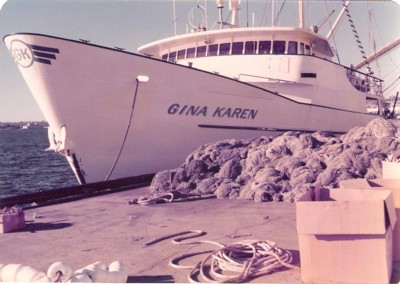
The Gina Karen tuna seiner

🚢 Gina Karen

A 722-gross-ton tuna purse seiner built in 1969 by Pacific Coast Engineering Company (PACECO) in Alameda, California. Named after Louis's eldest daughter.

Built
1969
Tonnage
722 GT
Type
Purse Seiner
Fate
Foundered 1988

NOAA Dolphin Research

In 1974, the Gina Karen was chartered by NOAA for dolphin mortality research, contributing to innovations like the "Medina Panel" that dramatically reduced dolphin deaths from 315,000 (1970) to 16,900 (1980).

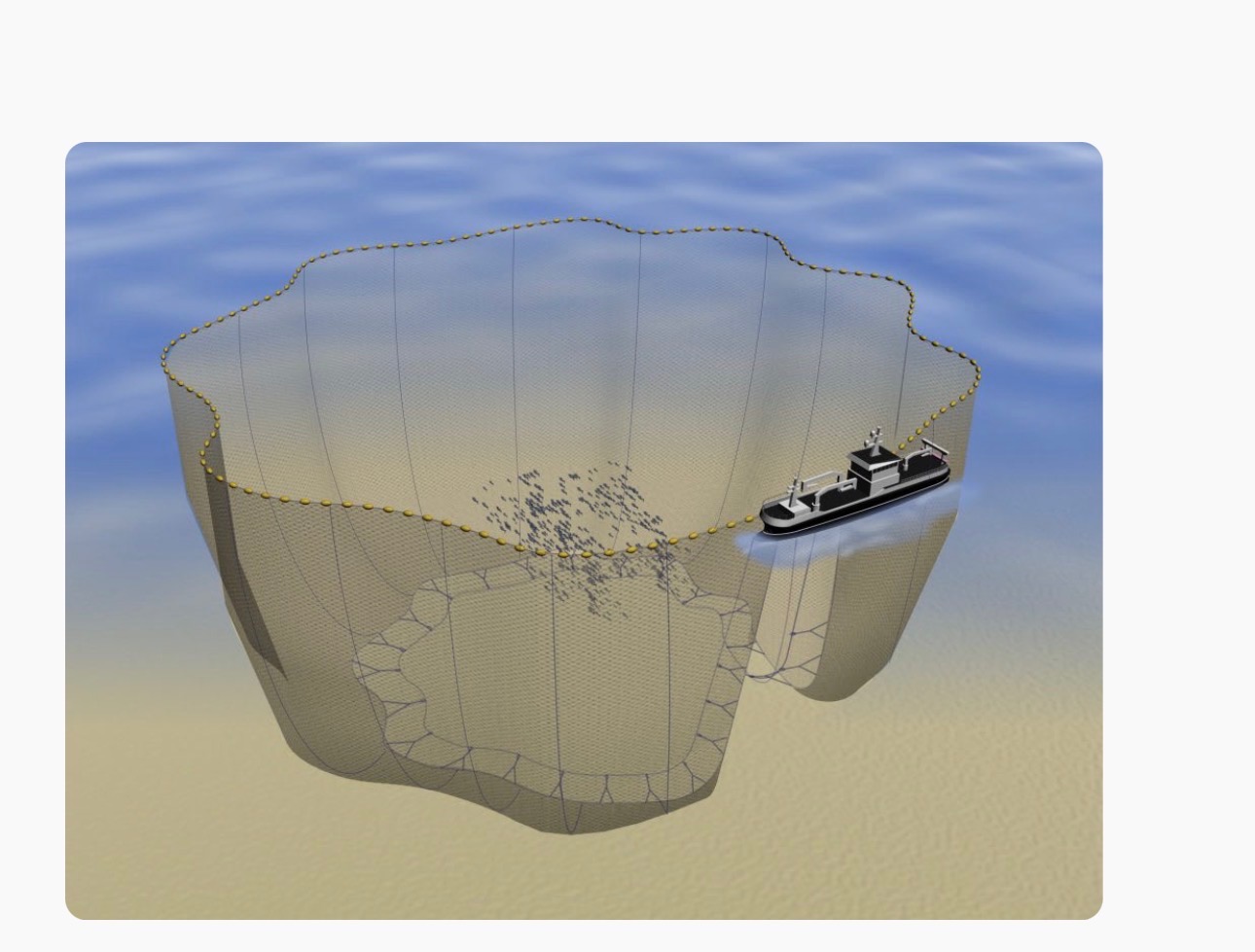
Purse seine fishing diagram
How purse seining works — The net encircles a school of fish, then the bottom is "pursed" closed like a drawstring bag. The Gina Karen used this method to catch tuna in the Eastern Pacific.

🚢 Gina Lisa

A 42-46 foot swordfish and tuna boat named for Louis's daughters Gina and Lisa. Captained by Vito James Romani with crewman Marco Antonio Alvarez Moran.

Length
42-46 ft
Type
Longline
Captain
Vito James
Lost
Dec 5, 2004

🚢 Romani & Sons

A smaller bait boat operated after the Gina Karen was sold, moored at G Street pier in San Diego. Represented the family's adaptation to the changing industry as the large-scale tuna fishery declined.

Chapter Four

The Tuna Capital of the World

San Diego's golden age of fishing

1911

Pacific Tuna Canning Company opens — San Diego's first tuna cannery

1920s-1960s

San Diego becomes home to the largest tuna fishing fleet in the world — the city's number one employer after the Navy

1930s

6,000+ Italian families immigrate to participate in the industry. Over 160 Portuguese-owned boats operate from the harbor.

1971

The Medina Panel invented — a net modification that would save hundreds of thousands of dolphins

1980s

Industry collapses due to international competition, environmental regulations, and cannery relocations

Point Loma's "Tunaville" — the working-class neighborhood centered around Kellogg and McCall streets — became a bustling fishermen's haven. By 1933, the community had funded St. Agnes Catholic Church, whose campanile featured a lighted statue of Our Lady of Good Voyage — an ever-present beacon for fishing boats returning from sea.

In Memoriam

On December 5, 2004, the Gina Lisa departed San Diego for what should have been a routine fishing trip. Within hours, the vessel encountered catastrophic failure. Captain Vito James Romani, age 46, and crewman Marco Antonio Alvarez Moran were lost at sea.

10 days ago, I was with my husband buying a Christmas tree, having our annual tree lot fight over if we should get the 8 foot or the 12 foot Noble. Then we got the phone call... As the hours passed, and the dark fell upon us, the grim reality was becoming very clear. We had lost a part of our lives that could never be replaced.

— Gina Bernardini, December 2004

In December 2015, the extended Romani family gathered in Collinsville for a memorial celebration. To this day, family members gather annually at "Driscoll's" boat slip to leave flowers, share toasts, and say prayers.

Four generations shaped by the sea.
A legacy that lives on.